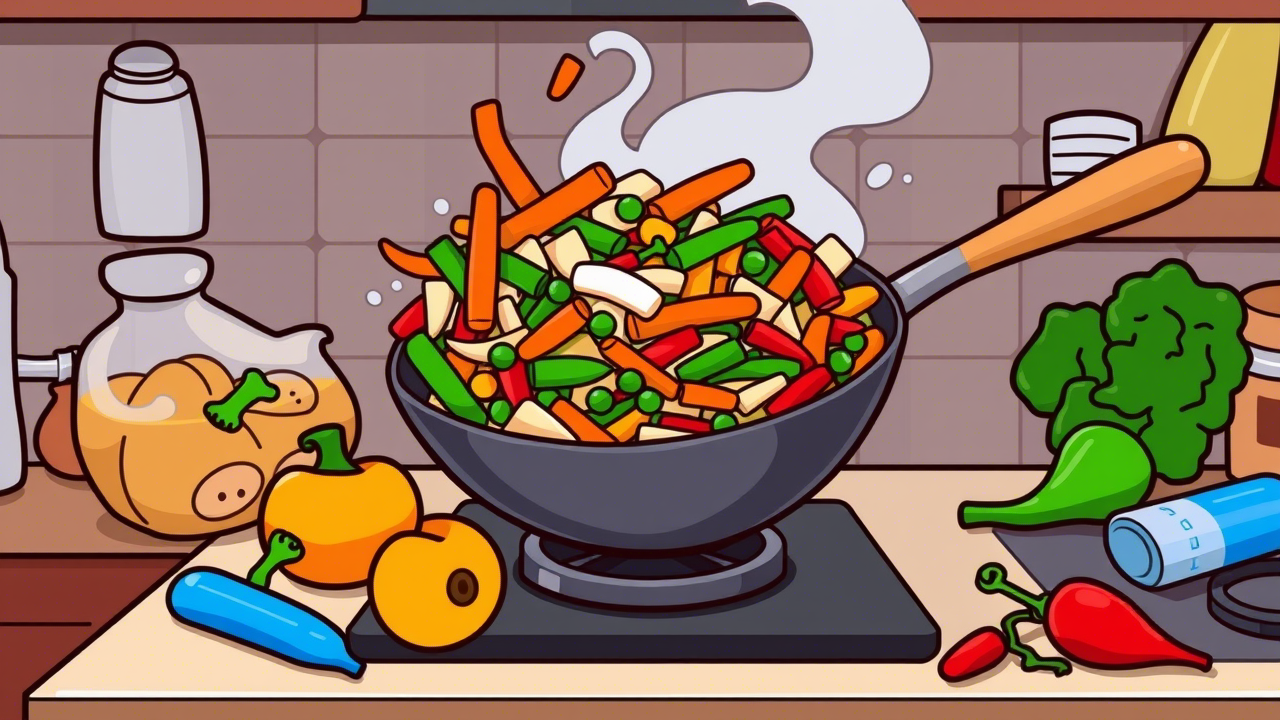
Veggie Fried Rice from Fridge Finds
What’s the quickest way to turn random fridge scraps into something delicious? Veggie fried rice.
This is a fast, versatile, nutritious dish. Book Now 04/08 There’s no better way to reduce food waste, and still eat well, than with pizza.
In the meantime, if you’re curious about how healthy veggie fried rice is, here’s what I will tell you:
The answer is somewhere between 210 and 660 calories per serving, and 5 and 43 grams of protein, depending on whether you’re playing it plain or loading it up with extras.
Which means it can be as light or rich as you desire it to be.
For this post, I’m going to deconstruct everything about vegetable fried rice — we’ll look at the nutrition stats, and I’ll give you some tips on how to make it your own.
By the time you get to the end, you’ll understand why this dish belongs on your meal rotation.
Why Veggie Fried Rice Is a Kitchen Hero
I adore recipes that save time, money and the planet. Veggie fried rice meets all of those criteria. Here’s why this humble dish is so incredible.
Saves Time Like a Pro
First of all, veggie fried rice is quick. Prep is 5 minutes, and cooking is 15 more. That’s 20 minutes start to finish — even less than half an hour — for a full meal.
This is my pick on a busy night, when I don’t feel up to cooking a complicated dish.
What I love is the simplicity. You might not have fancy ingredients or hours of prep. All you need to do is pull out your old rice, throw some veggies in a pan, crack a few eggs and voilà! Dinner is served.
Reduces Food Waste (and Guilt)
Here’s the deal: We all have random nubs of produce hanging out in the fridge. Half an onion here, a few broccoli florets there.
Instead of allowing them to go to waste, veggie fried rice gives them a second (or third) wind.
There’s a great deal of food waste worldwide, so even little things like using up leftovers help. Any time I make this dish, though, I feel good because I know I’m not wasting perfectly good food.
Nutritious and Customizable
Now, let’s talk about nutrition. It’s easy to cook, but veggie fried rice is also surprisingly nutritious. This recipe yields vitamins and minerals, as well as macronutrients, depending how you decide to make it. More on that later.
But the best part? You can tweak it endlessly. Want more protein? Add eggs or chicken. Need extra fiber? TOPLINE Add in some bell peppers or peas. It’s all good.
Nutritional Breakdown
If you’re interested in the numbers, get ready. The nutritional content of veggie fried rice can vary greatly depending on serving sizes and the additional ingredients that are included. Here’s a detailed look:
Key Stats Per Serving
| Nutrient | Range Per Serving |
| Calories | 210 – 660 kcal |
| Protein | 5 – 43 g |
| Fat | 2 – 13 g |
| Carbohydrates | 41 – 89 g |
| Fiber | 3 – 4 g |
| Iron | Up to 80% Daily Value |
| Potassium | Up to 18% Daily Value |
You’ll see, there is a very large range in calorie count. Smaller portions without all the extras come in at around 210–300 calories, larger with protein added (hello, chicken or eggs) top out around 660.
Macronutrient Ratios (Example)
Here’s an individual example from Eat This Much:
- Carbohydrates: 55 percent of calories
- Fat: 18% of calories
- Protein: 27% of calories
It’s this balance that makes veggie fried rice satisfying without becoming too heavy. The carbs are mainly from rice and veggies, while fat is from cooking oil and eggs.
Micronutrient Highlights
Micronutrients Veggie fried rice wins when it comes to micronutrients. It’s rich in:
- Iron: required for red blood cell production (up to 80% DV).
- Potassium: For blood pressure regulation (up to 18% DV).
- B Vitamins: Improves energy metabolism (niacin, folate).
- Vitamin C: Boosts immunity.
- Selenium: Functions as an antioxidant.
Most of these nutrients are provided by the vegetables, eggs and/or optional protein. If you load it up with colored veggies (bell peppers, carrots and broccoli for the win) you will achieve maximum health.
Ingredients & Quantities
The great thing about veggie fried rice is how versatile it is! You could keep it simple by using the basic ingredients or get inventive with what’s in your fridge.
What follows is a manual, along with recommended amounts, for a typical list of ingredients:
Basic Ingredients
- Olive Oil: 1 tsp (5g)
- Eggs: 3 large (150g)
- Broccoli: ½ cup (36g)
- Onion: 1 medium (331g)
- White Rice: 1 cup (185g, raw)
- Salt & Pepper: To taste
Optional Add-Ins
- Chicken Breast: ½ lb (227g) for added protein
- Carrots: Sweetness and color, cut in small dice.
- Peas: Adds texture and fiber
- Bell Peppers: Crunch and vitamin C!
- Soy Sauce: A touch of umami richness
Omit or substitute ingredients as you like. No broccoli? Use cauliflower instead. Hate peas? Skip them. The idea is to work with what you already have in your kitchen.
Preparation Tips
While veggie fried rice is bar-none the easiest, just a few tips can make you feel like you’ve graduated to the big leagues. Here’s how to get it right every time:
Use Cold Leftover Rice
Freshly cooked rice is inherently clumpy, which can cause the rice to stick together when fried. Cold leftover rice stays more separate and gets a good texture when stir-fried.
If you don’t have leftovers, spread hot, just-cooked rice out onto a tray and chill it in the refrigerator for 30 minutes before using.
Cook Eggs First
Scrambling the eggs apart ensures they remain tender and don’t overcook in other steps. Take them out of the pan when they’re cooked and then leave them to one side until the end.
High Heat Is Key
Stir-frying is best at high heat. This will seal in flavors and ensure that the rice doesn’t become soggy. Keep it stirring continuously to prevent burning.
Season Smartly
At first, a little soy sauce does a lot. Begin with a tablespoon, taste and adjust. If you’re cutting back sodium, choose low-sodium soy sauce or tamari.
Health Benefits Beyond Nutrition
Nutritional stats aside, veggie fried rice also has the power to fuel more than just your body. Here’s why it stands out:
Digestive Support from Fiber
At 3-4 grams of dietary fiber per serving, this meal is gut-friendly. Throw in vegetables such as broccoli, carrots and peas to increase the fiber content even more.
Budget-Friendly Eating
Leftovers are a great way to keep grocery costs down. No need to buy new, fresh ingredients for every meal — instead you repurpose what you already have in the fridge.
Those savings add up over time.
Eco-Conscious Cooking
Cutting food waste does have an environmental benefit as well. By throwing away less food, you use fewer resources like water, energy and land, which all adds up to sustainability.
Final Thoughts
Coming from a Chinese background, I love veggie fried rice because it shows how an easy meal does not have to be unhealthy to be comforting.
Whether you’re fridge-diving or aching for a little comfort food, this dish delivers all around.
So next time you’re staring at some mysterious leftovers, just throw them in the skillet with a little rice, and call it dinner. Your wallet, your body and the planet will thank you.